
Introduction
Mochi has quickly become a global favorite, loved for its chewy texture and sweet flavors. But beyond its delightful taste, many people are curious about my mochi health and whether it fits into a balanced lifestyle. Is it healthy? Can you enjoy it guilt-free? What are its nutritional benefits?
In this comprehensive guide, we’ll explore everything you need to know about my mochi health, including its ingredients, benefits, potential drawbacks, and smart ways to include it in your diet.
What Is Mochi? Understanding the Basics
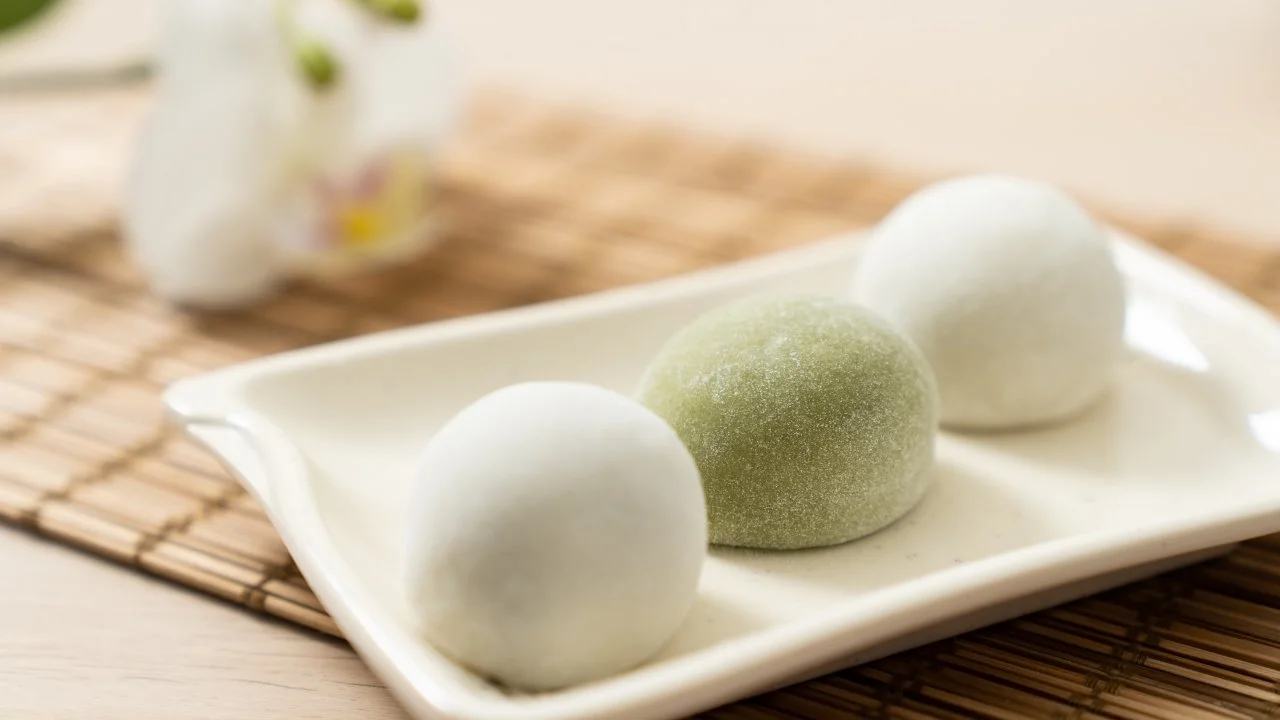
Mochi is a traditional Japanese rice cake made from glutinous rice that is pounded into a smooth, sticky dough. It can be enjoyed plain or filled with sweet or savory ingredients.
Common Types of Mochi
- Daifuku – Mochi filled with sweet bean paste
- Ice cream mochi – A modern twist with ice cream inside
- Kinako mochi – Coated with roasted soybean flour
- Savory mochi – Used in soups and grilled dishes
When discussing my mochi health, it’s important to consider the type of mochi, as fillings and preparation methods can significantly impact its nutritional value.
Nutritional Profile of Mochi
Understanding nutrition is key to evaluating my mochi health. Mochi is primarily made from rice, which provides carbohydrates and energy.
Basic Nutritional Breakdown (per serving ~50g)
| Nutrient | Amount |
|---|---|
| Calories | 100–120 kcal |
| Carbohydrates | 22–25 g |
| Protein | 2–3 g |
| Fat | 0–2 g |
| Sugar | 5–10 g |
| Fiber | 1 g |
While mochi is relatively low in fat, it is high in carbohydrates and sugars, especially when filled with sweet ingredients.
My Mochi Health Benefits
Despite being a dessert, mochi offers some surprising health benefits when consumed in moderation.
1. Quick Energy Boost
Mochi is rich in carbohydrates, making it an excellent source of quick energy. This is especially beneficial for:
- Athletes
- Busy professionals
- Students needing a quick snack
2. Gluten-Free Option
One of the biggest advantages of my mochi health is that it is naturally gluten-free, making it suitable for people with gluten intolerance or celiac disease.
3. Low in Fat
Plain mochi contains minimal fat, making it a lighter dessert option compared to many fried or creamy sweets.
4. Portion-Control Friendly
Mochi is typically served in small portions, which helps with mindful eating and calorie control.
Mochi isn’t just a dessert—it can be a smart energy snack when eaten in the right portion and form.
Potential Downsides of Mochi
While there are benefits, understanding the limitations of my mochi health is equally important.
1. High Sugar Content
Sweet mochi varieties can contain significant sugar, especially:
- Ice cream mochi
- Chocolate-filled mochi
- Syrup-coated versions
2. High Glycemic Index
Mochi can cause a rapid spike in blood sugar levels, making it less ideal for people with diabetes if consumed in large quantities.
3. Choking Hazard
Due to its sticky texture, mochi should be eaten carefully, especially by children and elderly individuals.
How to Enjoy Mochi in a Healthy Way

You don’t have to give up mochi to maintain good health. Instead, follow these smart eating strategies.
Choose Healthier Variants
- Opt for plain or lightly sweetened mochi
- Choose fillings like fruit or nuts instead of cream
- Avoid overly processed versions
Practice Portion Control
Stick to 1–2 pieces per serving to maintain balance in my mochi health.
Pair with Protein or Fiber
Combine mochi with:
- Green tea
- Nuts
- Yogurt
This helps slow sugar absorption and improves satiety.
My Mochi Health vs Other Desserts
Let’s compare mochi with common desserts to better understand its place in a healthy diet.
| Dessert | Calories | Fat | Sugar | Health Score |
|---|---|---|---|---|
| Mochi | Moderate | Low | Medium | ⭐⭐⭐⭐ |
| Cake | High | High | High | ⭐⭐ |
| Ice Cream | High | High | High | ⭐⭐ |
| Cookies | High | Medium | High | ⭐⭐ |
Mochi stands out as a relatively better option when consumed mindfully.
Ingredients That Impact Mochi’s Health Value
The health quality of mochi depends heavily on its ingredients.
Healthy Additions
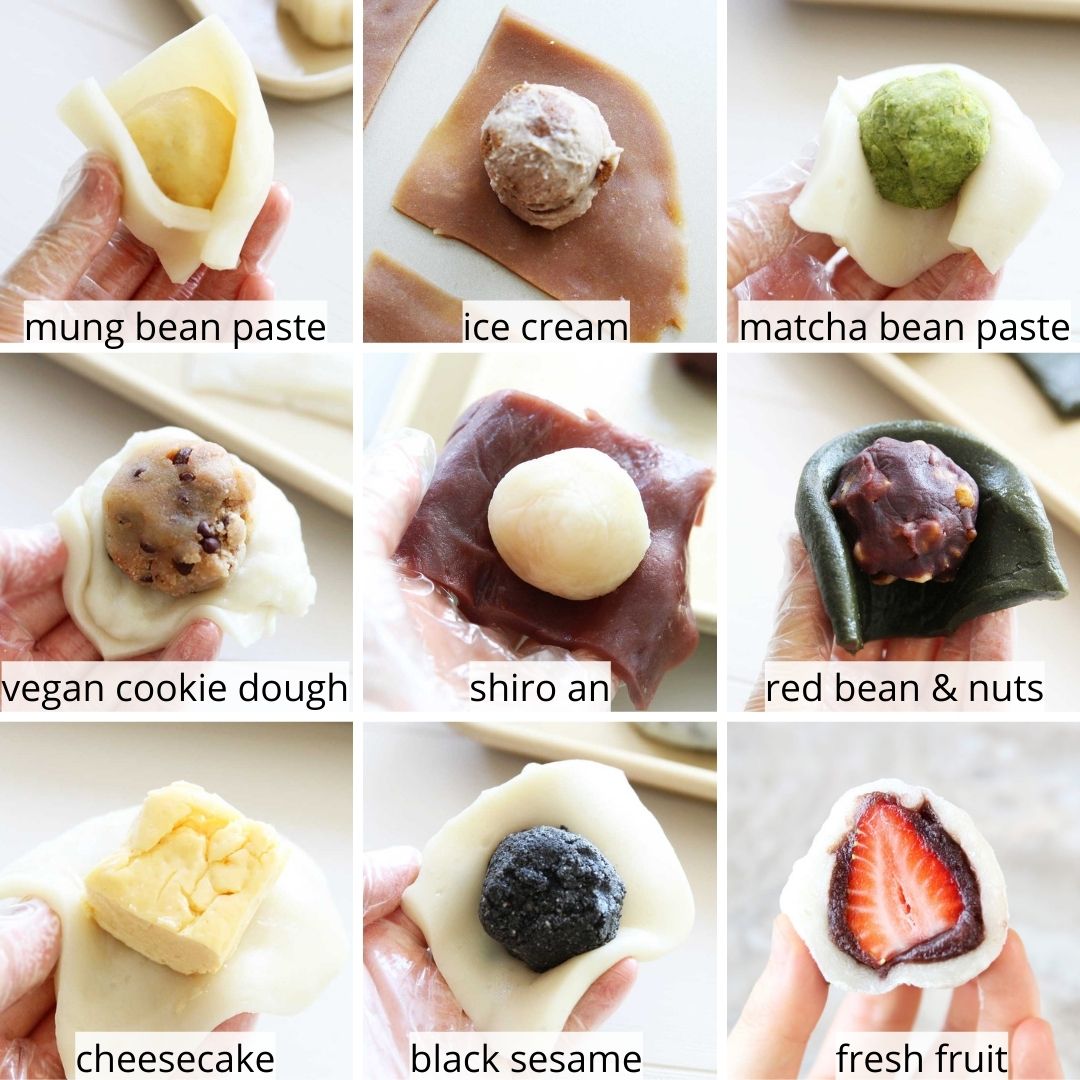
- Fresh fruits (strawberry, mango)
- Nuts (almonds, peanuts)
- Matcha (rich in antioxidants)
Ingredients to Limit
- Artificial flavors
- Excess sugar syrups
- Heavy cream fillings
By choosing wisely, you can improve my mochi health significantly.
The healthier your filling, the healthier your mochi—simple swaps can make a big difference.
Can Mochi Help with Weight Management?

This is a common question when discussing my mochi health.
Pros for Weight Control
- Small serving size
- Low fat content
- Satisfying texture reduces overeating
Cons to Watch
- High carbs may lead to overeating
- Sugary fillings add extra calories
Verdict
Mochi can fit into a weight-loss diet if eaten in moderation and paired with a balanced meal plan.
Mochi for Different Diet Types
For Vegetarians
Most mochi is vegetarian-friendly, but always check fillings.
For Vegans
Choose versions without dairy-based fillings like ice cream.
For Diabetics
- Limit intake
- Choose low-sugar options
- Pair with fiber-rich foods
Expert Tips for Better Mochi Consumption
Here are some expert-approved tips to improve my mochi health in your daily routine:
1. Eat Slowly
Mochi’s chewy texture encourages slow eating, which aids digestion and prevents overeating.
2. Avoid Late-Night Consumption
High-carb foods like mochi are better consumed earlier in the day.
3. Balance Your Plate
Include:
- Protein (eggs, tofu)
- Fiber (vegetables, fruits)
- Healthy fats (nuts, seeds)
4. Try Homemade Mochi
Making mochi at home allows you to:
- Control sugar levels
- Use natural ingredients
- Experiment with healthier fillings
Cultural Significance and Its Role in Wellness
Mochi isn’t just food—it’s a cultural symbol in Japan, often associated with celebrations and good fortune.
Eating mochi mindfully can enhance emotional well-being, which is an important aspect of overall health.
Frequently Asked Questions (FAQs)
1. Is mochi healthier than regular sweets?
Yes, in many cases. Mochi is lower in fat and often smaller in portion size, making it a better option when consumed in moderation.
2. Can I eat mochi every day?
You can enjoy it occasionally, but daily consumption may increase sugar and carb intake.
3. Is mochi good for digestion?
Mochi is easy to digest for most people, but overeating can cause discomfort due to its sticky texture.
4. Is ice cream mochi healthy?
It is less healthy than plain mochi due to added sugar and fat from ice cream.
5. Can kids eat mochi safely?
Yes, but always supervise due to its chewy and sticky consistency.
6. Does mochi cause weight gain?
Only if consumed excessively. Moderation is key to maintaining my mochi health.
Conclusion
So, where does my mochi health stand?
Mochi can absolutely be part of a healthy lifestyle when eaten mindfully. It offers:
- Quick energy
- Low fat content
- Portion-friendly servings
However, its high carbohydrate and sugar content means it should be enjoyed in moderation.
Read More:-Mochi Health Reviews: Honest Insights, Pricing, Results Guide

