
Introduction
Over the past few decades, healthcare has changed a lot, and a lot of that shift is due to the rise of health information technology. The system used to be slow, full of paper, and full of mistakes. Now it is fast, efficient, and very connected. Digital tools are used by hospitals, clinics, and even individual individuals today to keep track of health data, improve treatment outcomes, and make communication easier.
Health information technology is the use of digital systems and tools to store, organize, analyze, and disseminate health-related information. This encompasses everything from telemedicine platforms and electronic medical records to wearable technology and AI technologies. These technologies are not only making healthcare better; they are completely changing it.
Getting to Know the Basics of Health Information Technology
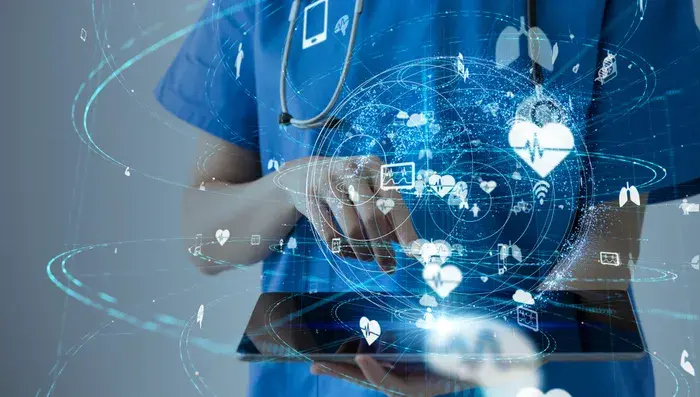
The main goal of health information technology is to make healthcare smarter and easier to get to. Healthcare providers may now get patient information right away, no matter where they are, instead of depending on handwritten notes or separate systems.
This digital method helps doctors make better choices, cuts down on tests that are done more than once, and makes sure that patients get the same level of treatment every time. If a patient sees more than one expert, for instance, their medical history may be exchanged easily, which saves time and avoids confusion.
Health information technology links people, data, and systems so that healthcare services can be delivered more quickly, safely, and effectively.
Changes in Healthcare Systems
Over time, healthcare systems have changed a lot. Everything was done by hand in the past, from writing down patient information to figuring out what was wrong with them. This often caused mistakes and delays.
Basic digital systems started to replace paper records as computers came along. But these early systems weren’t very good and didn’t always work together. Cloud computing, AI, and real-time data exchange are all used by current systems to make things work smoothly.
Healthcare went from using paper records to using advanced digital technologies.
Modern technology now let you access information in real time and make better choices.
Important Parts of Health Information Technology
Health information technology is made up of various vital parts, each of which helps make healthcare better in its own way.
1. Electronic Health Records (EHRs)
Digital copies of patient files, such as medical history, diagnosis, prescriptions, and treatment plans, are called electronic health records.
EHRs do away with paper records and make things more accurate.
They let clinicians get to patient information fast and safely.
2. Telemedicine
Telemedicine lets people talk to doctors at a distance using video calls, mobile apps, or websites.
It saves time and cuts down on the number of times you need to go in person.
It is quite helpful for people who live in rural or hard-to-reach places.
3. Health on the Go (mHealth)
Mobile health comprises apps and solutions that let people keep an eye on their health with their smartphones.
Users can keep track of their health, fitness, and medications.
It encourages people to take charge of their health and be conscious of it.
4. Technology you can wear
Smartwatches and fitness trackers that you wear collect health data in real time.
They keep an eye on your heart rate, sleep habits, and how much you move around.
This information can help doctors make better choices about health.
5. AI (Artificial Intelligence)
AI is one of the best things about health information technology because it can swiftly look at a lot of data.
AI can find diseases early and guess how likely they are to happen.
It makes diagnostic and treatment planning more accurate.
Advantages of Health Information Technology
Health information technology has helped both patients and healthcare providers in many ways.
Better Care for Patients
Doctors can quickly and easily look up a patient’s medical history, which helps them make faster and more accurate diagnosis. This lowers the number of mistakes and makes treatments work better.
More efficient
Digital systems take care of administrative responsibilities like scheduling and billing, which saves healthcare workers time and makes their jobs easier.
Better Talking
Online portals make it easy for patients and doctors to talk to one other, which helps with follow-up care and engagement.
Lowering costs
Healthcare firms can cut costs by cutting down on paperwork and making things run more smoothly.
Most Important Benefits
- Diagnosis faster
- Fewer mistakes
- Improved communication
- Less expensive
- Better patient participation
Problems with Health Information Technology
Health information technology has its benefits, but it also has problems that need to be solved.
Costly to put into action
It takes a lot of money to set up digital systems since you need to buy hardware, software, and training.
Risks to Data Security
With cyber dangers on the rise, protecting sensitive patient data is a top priority.
Requirements for Training
Healthcare workers need to be trained properly to use modern systems well.
Problems with Integration
Sometimes, different systems don’t work well together, which might cause problems.
The role of data in healthcare
Data is very important in today’s healthcare systems. Health information technology makes it possible to gather and study a lot of patient data.
This information helps doctors and nurses find patterns, guess what diseases will happen, and come up with better ways to treat patients. For instance, looking at patient data can assist find early indicators of long-term disorders.
Making decisions based on data leads to greater results and more personalized care.
Cloud Computing in the Medical Field
Cloud computing has changed the way healthcare data is stored and accessible in a big way.
It lets you safely store a lot of data.
Healthcare providers can get information whenever and wherever they need it.
Cloud systems also make it easier for healthcare workers to work together.
Remote Care and Telemedicine
Telemedicine is one of the most important new ideas in healthcare.
Patients don’t have to go far for consultations anymore. They can talk to doctors from the comfort of their own homes instead.
Telemedicine makes things easier to get to and more convenient.
It cuts down on hospital overcrowding and saves time.
Effect on Patients
Patients are increasingly more involved in their own health care than ever before.
Digital tools let them look at their medical information, make appointments, and keep an eye on their health.
Patients have more say over their health.
They can make smart choices since they can easily get knowledge.
Effect on Healthcare Providers
Digital systems are also quite helpful for healthcare providers.
They can handle patient data better, cut down on paperwork, and spend more time caring for patients.
Technology makes it easier to do administrative work.
Doctors can spend more time with their patients.
What will happen next in health information technology?
There are a lot of fascinating things that could happen with health information technology in the future.
Improvements in Artificial Intelligence
AI will keep becoming better at figuring out what’s wrong and making plans for therapy.
The Internet of Medical Things (IoMT)
Connected devices will let you keep an eye on your health in real time.
The Technology of Blockchain
It will make data more secure and clear.
Medicine that is made just for you
Treatments will be customized to each person’s genetic makeup.
Look ahead to the future
Healthcare will be more connected, individualized, and able to forecast what will happen.
A table that compares traditional and digital healthcare

| Feature | Traditional Healthcare | Digital Healthcare |
|---|---|---|
| Records | Paper-based | Electronic |
| Communication | Slow | Instant |
| Diagnosis | Manual | AI-assisted |
| Accessibility | Limited | Global |
| Efficiency | Low | High |
Best Practices for Putting into Place
Organizations should adopt several best practices to make sure that digital healthcare systems work well.
- Put money on educating your workers
- Make sure there are strong data security procedures in place
- Pick systems that can grow and change
- Concentrate on interfaces that are easy to use
Planning well makes ensuring that technology is used correctly.
Training and safety are very important for long-term success.
Short Summary:
Health information technology is changing the way healthcare works by making it more efficient, accurate, and easy to get to. It gives both patients and providers more control and shapes the future of medicine.
Questions and Answers
1. What does health information technology mean?
It means using digital tools to organize and distribute health information.
2. Why is it important?
It makes patient care better, cuts down on mistakes, and speeds things up.
3. Is it safe?
Yes, as long as you take the right steps to protect your data, such as encrypting it and using secure technologies.
4. What are some examples?
Wearable gadgets, mobile apps, telemedicine, and electronic health records.
5. What will happen next?
AI, the Internet of Things, and personalized healthcare solutions are all part of the future.
Conclusion
Health information technology is at the heart of a digital revolution in the healthcare industry. Its effects are clear, from better patient care to more efficient operations.
As technology gets better, healthcare systems will get better, more connected, and more focused on patients. To make healthcare better and more efficient in the future, we need to accept these changes.
In the next few years, we should expect even more new ideas that will change how healthcare is given and enjoyed even more. The trip has only just begun, and there are unlimited possibilities.

