
Introduction
Everything around us runs on energy, from the smartphone in your hand to the cars on the road and the electricity in your home. Batteries are becoming one of the most essential technologies of our time as the globe works toward cleaner and more sustainable energy sources. Researchers and businesses are putting a lot of money into new battery technologies to get around the problems with old systems and make the future more efficient.
Batteries store energy and let it out when it’s needed. But not all batteries are the same. Older battery technologies, especially lithium-ion, have worked well for us, but they have problems including a short lifespan, safety risks, and harm to the environment. That’s why things are moving so quickly in this area.
In simple terms, battery technology

The science of battery technology is how to store energy in a chemical form and turn it into electricity. This may sound complicated, but the premise is very simple: energy flows in, is stored, and comes out as needed. Batteries that use lithium, cobalt, and graphite rely on chemical reactions between these materials.
But the focus of modern battery technology is on making these chemical reactions better. Scientists are trying out novel materials, designs, and architectures to build batteries that last longer, work better, and are safer to use every day.
Why the World Needs Batteries That Work Better
There is a rising need for improved batteries. As more people switch to electric cars and renewable energy, the batteries that are already in use are under additional stress. You can’t get the most out of clean energy sources without good storage options.
In brief, new battery technology is important because it helps store solar and wind energy in a way that is efficient, makes us less dependent on fossil fuels, and works with our digital lifestyles. It also does a lot to lower carbon emissions and fight climate change.
Types of New Battery Technologies
Solid-state batteries are one type of new battery technology
One of the most fascinating new things in the field is solid-state batteries. These batteries use solid materials instead of liquid electrolytes, which makes them safer and more efficient than regular batteries.
They are less likely to get too hot, charge more quickly, and hold more energy. Many experts think that solid-state systems are the future of new battery technology because of these benefits.
Batteries using lithium and sulfur
People know that lithium-sulfur batteries have a lot of energy in a small space. This implies they can hold more energy than regular lithium-ion batteries and are also lighter.
These batteries are also better for the environment and cost less to make. They are still being worked on, though, and need to last longer and be more stable. Still, they are a viable choice for future battery technologies.
Batteries with sodium ions
People are paying more attention to sodium-ion batteries since sodium is cheap and easy to find. This means they are a cheaper option than batteries that use lithium.
They may not work as well as lithium-ion batteries yet, but research is making them more efficient. They are a crucial feature of new battery technology because they are cheap and last a long time.
Batteries made with graphene
Graphene is a very thin substance that is known for being strong and good at conducting electricity. It makes batteries charge faster and work better overall.
Graphene batteries charge in minutes and last longer than regular batteries. These properties make them an important new development in battery technology, especially for electronics that need to work well.
Batteries that Flow
Unlike regular batteries, flow batteries store energy in liquid solutions. These liquids are kept in tanks outside and pumped through the system when needed.
They are perfect for storing a lot of energy, such in power grids and renewable energy systems. They are a useful addition to new battery technology since they are long-lasting and may be used in many different ways.
Table of Different Types of Batteries
| Type of Battery | Energy Density | Charging Speed | Cost | Safety | Best Use Case |
|---|---|---|---|---|---|
| Lithium-Ion | Medium | Medium | Medium | Moderate | Phones, laptops, EVs |
| Solid-State | High | Very Fast | High | High | Future Electric Vehicles |
| Lithium-Sulfur | Very High | Medium | Low | Moderate | Aviation, lightweight EVs |
| Sodium-Ion | Medium | Medium | Low | High | Cheap energy storage |
| Graphene | High | Ultra Fast | High | High | Advanced electronics |
| Flow Batteries | Low | Slow | Medium | High | Renewable energy systems |
Impact on Electric Vehicles
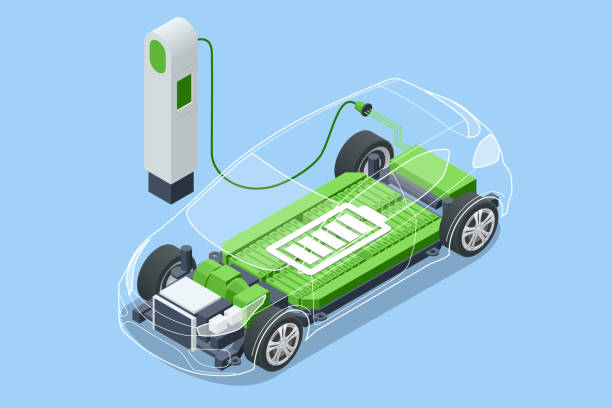
Electric cars (EVs) are changing how we get around, but battery problems have made them less popular. People often worry about how long it takes to charge and how far they can drive.
Electric vehicles are become more useful thanks to new battery technologies. People are more interested in electric automobiles since they charge faster, last longer, and are safer. Charging an electric vehicle (EV) may only take a few minutes in the near future, exactly like filling up a gas automobile.
Role in Energy Sources
Solar and wind power are examples of renewable energy sources that aren’t always available. The wind doesn’t always blow, and the sun doesn’t always shine. Batteries are really important here.
New battery technology lets us store energy when production is high and use it when demand goes up. This makes sure that there is always a steady and reliable supply of energy, even when the electricity goes out.
Benefits for the environment
New battery technologies are made with the environment in mind. If not thrown away properly, regular batteries can hurt the environment and use up rare resources.
New battery technology, on the other hand, focuses on using materials that can be recycled and making batteries more energy-efficient to have less of an effect on the environment. This helps the environment and cuts down on carbon emissions.
Problems with Making Batteries
There are still some problems that need to be fixed, even though things are getting better.
For many modern battery types, the cost of making them is still considerable. Another big problem is scaling up production. Many places in the world are still working on better recycling and disposal methods.
To get a lot of people to use new battery technology, these problems need to be solved.
New Trends in Battery Technology
The future of batteries looks quite bright. Scientists are looking at new ways to make things work better and cost less.
People are using AI to make better materials. More and more people are using wireless charging. Researchers are working on flexible batteries for wearable gadgets. These new battery technologies suggest that they will keep changing quickly.
Uses in the Real World
Improvements in batteries are already having an effect in several fields.
Devices in consumer electronics are getting better at what they do and lasting longer. Electric cars are becoming increasingly dependable in the transportation industry. Batteries power important medical devices in the healthcare field. They help renewable energy systems in the energy sector.
Key Points
- For current technology and the environment to work, batteries are very important.
- Graphene and solid-state batteries work quite well.
- Electric cars can charge faster and go farther.
- Renewable energy needs good ways to store it.
- Advanced battery systems have less of an effect on the environment.
What Businesses Get Out of It
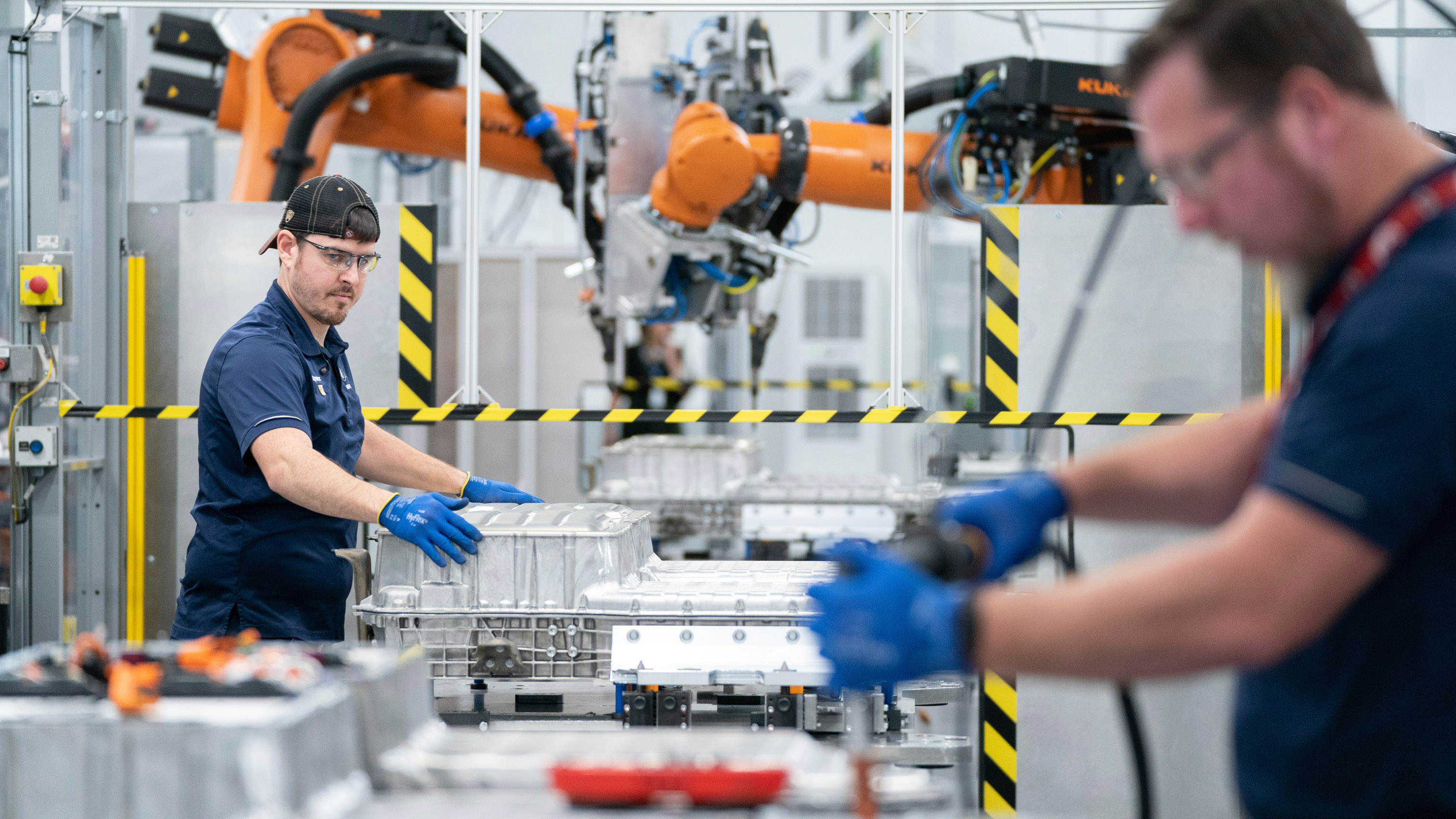
Businesses can save money on energy and work more efficiently by using sophisticated battery solutions. They can also do more to protect the environment and reach their aims for sustainability.
Companies may stay competitive in a market that changes quickly by using modern battery technology.
Picking the Right Battery
There are a number of things to think about when choosing the correct battery, such as how much energy you need, how much money you have, safety, and the effect on the environment.
People and businesses can make smarter judgments and get the most out of modern battery systems if they know these things.
Questions and Answers
1. What is new battery technology?
It means improved battery systems that are made to store energy better, be safer, and work better than regular batteries.
2. What makes it important?
It encourages clean energy, electric cars, and modern gadgets, which makes living more efficient and sustainable.
3. What kind of battery will work best in the future?
Solid-state batteries are one of the best choices because they work well and are safe.
4. Are these batteries good for the environment?
Yes, a lot of new battery systems are made of materials that can be recycled and don’t release as much pollution.
5. When will these technologies be easy for everyone to get?
Some are already being used, and others may become ubiquitous in the next ten years.
Conclusion
Innovation in battery systems is very important for the future of energy. New battery technology is a big part of the change as the world moves toward cleaner and more efficient solutions.
These improvements are making the world smarter and more sustainable by powering electric cars and boosting renewable energy. Even if there are still problems to solve, constant research and development are pushing the limits of what batteries can do.
In the next few years, we can expect even more innovations that will change how we store and use energy. This will bring us closer to a future that is cleaner and greener.

