
Introduction
The topic of Trump health issues has been widely discussed in media, political circles, and public forums for years. As a high-profile global figure, Donald Trump has faced constant scrutiny regarding his physical and mental health. From official medical reports to public appearances and speculation, understanding Trump health issues requires a balanced, factual, and detailed approach.
This article provides a complete breakdown of Trump health issues, including verified medical history, potential risks, lifestyle factors, and public perception. Whether you’re researching for awareness or SEO purposes, this guide covers everything in depth.
Overview of Trump Health Issues
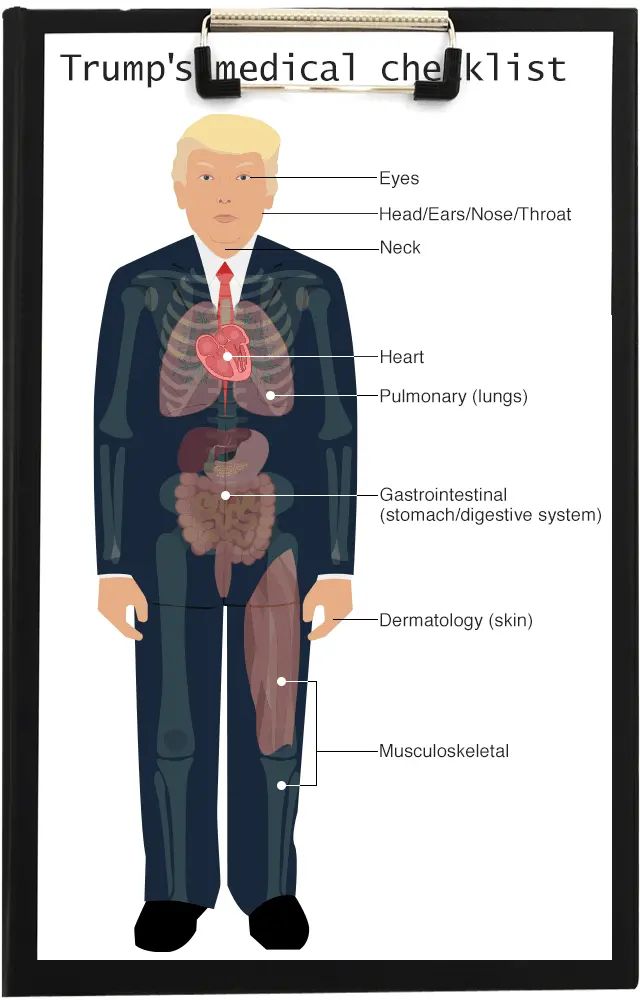
Trump health issues have often been a subject of public curiosity due to his age, lifestyle, and demanding political career. Born in 1946, Trump entered his presidency in his 70s, making age a significant factor in health discussions.
Key areas often discussed include:
- Cardiovascular health
- Weight and BMI
- Cognitive health
- Diet and lifestyle habits
- Past medical reports
Despite ongoing speculation, official medical evaluations have generally described him as being in “good” or “excellent” health for his age.
Trump’s Medical History and Reports
Trump health issues became a major topic during his presidency when periodic health reports were released by White House physicians. These reports offered insights into his vital statistics and overall condition.
Key Findings from Medical Reports
| Health Factor | Details |
|---|---|
| Age-related risks | Elevated due to age |
| Weight | Classified as overweight |
| Cholesterol levels | Managed with medication |
| Blood pressure | Generally controlled |
| Medications | Includes cholesterol-lowering drugs |
Doctors noted that while Trump had some common age-related conditions, they were largely under control with treatment and monitoring.
Cardiovascular Health Concerns
One of the most discussed aspects of Trump health issues is heart health. Cardiovascular disease is a leading concern for individuals in his age group.
Risk Factors Include:
- High cholesterol (managed with medication)
- Sedentary lifestyle tendencies
- Diet high in fats and processed foods
However, medical reports indicated that Trump was taking statins to control cholesterol, which significantly reduces cardiovascular risk.
Trump’s Diet and Lifestyle

Lifestyle plays a major role in Trump health issues. Trump is known for having a unique diet compared to traditional health recommendations.
Common Dietary Habits:
- Preference for fast food
- Limited intake of vegetables
- Consumption of diet soda
- Irregular meal patterns
Despite this, he has reportedly avoided alcohol and smoking, which are major positives for long-term health.
Lifestyle Observations:
- Limited structured exercise
- Active daily schedule
- High stress levels due to public responsibilities
Weight and Body Mass Index (BMI)
Another important factor in Trump health issues is weight. His BMI has been categorized in the overweight range, occasionally bordering on obesity.
Why BMI Matters:
- Higher BMI increases heart disease risk
- Can impact mobility and energy levels
- Associated with metabolic conditions
Doctors have recommended weight management, though reports suggest only modest changes over time.
Cognitive Health and Mental Fitness
Cognitive health is one of the most debated aspects of Trump health issues. Due to his public role, his speech, memory, and behavior have been closely analyzed.
Observations:
- Passed cognitive screening tests during presidency
- Demonstrated high energy levels
- Public speaking often scrutinized
While critics have raised concerns, official medical evaluations have not confirmed any cognitive impairment.
COVID-19 and Trump Health Issues

A major turning point in Trump health issues occurred when he tested positive for COVID-19 in 2020.
Key Details:
- Hospitalized briefly
- Received advanced treatments
- Recovered within weeks
This event highlighted both his vulnerability due to age and access to top-tier medical care.
Medications and Treatments
Trump health issues are also influenced by his use of medications.
Commonly Reported Medications:
- Cholesterol-lowering drugs
- Aspirin for heart health
- Occasional antibiotics or treatments
Proper medication management has played a key role in maintaining his overall health stability.
Stress and Its Impact
Being a global political leader brings immense stress, which can significantly affect health.
Effects of Stress Include:
- Increased blood pressure
- Sleep disturbances
- Mental fatigue
- Weakened immune system
Trump’s high-energy personality may help him cope, but long-term stress remains a concern in Trump health issues.
Public Perception vs Medical Reality
One of the biggest challenges in understanding Trump health issues is separating fact from speculation.
Public Perception:
- Media debates and political bias
- Social media speculation
- Viral discussions
Medical Reality:
- Based on official physician reports
- Backed by clinical data
- Often less dramatic than public opinion
Expert Insights on Trump Health Issues
Health experts generally agree on a balanced view of Trump health issues.
Key Expert Opinions:
- Age is the biggest risk factor
- Lifestyle changes could improve longevity
- Current health appears stable with monitoring
Experts emphasize that many of Trump’s conditions are common among older adults and manageable with proper care.
How Trump Health Issues Compare to Peers
When compared to other leaders in similar age groups, Trump health issues are not unusually severe.
Comparison Points:
- Similar cholesterol concerns
- Comparable weight challenges
- Equal exposure to stress
This suggests that his health profile is relatively typical for someone in his demographic.
Preventive Measures and Recommendations
If analyzing Trump health issues from a preventive perspective, experts often suggest:
Recommended Improvements:
- Balanced diet with more vegetables
- Regular physical activity
- Stress management techniques
- Routine health checkups
These steps are universally beneficial and could further enhance overall well-being.
Trump health issues highlight the importance of lifestyle, age, and medical care.
Despite risks, proper management has helped maintain stable health.
Key Takeaways
- Trump health issues are largely age-related
- Cardiovascular health remains the main concern
- Lifestyle habits play a significant role
- Medical reports indicate controlled conditions
- Public perception often exaggerates concerns
FAQs
1. What are the main Trump health issues?
The main Trump health issues include high cholesterol, weight concerns, and age-related risks, all of which are being managed medically.
2. Did Trump have serious illnesses?
Apart from contracting COVID-19, there are no confirmed reports of major chronic illnesses beyond common age-related conditions.
3. Is Trump in good health currently?
Based on available medical reports, Trump is considered to be in stable health for his age.
4. Does Trump take medications?
Yes, he has been reported to take cholesterol-lowering medication and other preventive treatments.
5. Why are Trump health issues widely discussed?
Due to his global influence and age, public interest in Trump health issues remains high.
Conclusion
Trump health issues continue to attract global attention, blending medical facts with public debate. While there are legitimate concerns related to age, weight, and cardiovascular health, official reports consistently suggest that these conditions are under control.
Understanding Trump health issues requires focusing on verified medical information rather than speculation. Like many individuals in his age group, his health profile reflects a mix of risks and strengths shaped by lifestyle, genetics, and medical care.
By analyzing Trump health issues objectively, we gain a clearer picture not just of one individual’s health, but of how public figures are perceived in the context of wellness, aging, and leadership.
Read More:-Trump Health Concerns: Updates, Facts, and Public Reactions

